


6th October 2023
The Importance of Soft Skills in a Post Pandemic Era
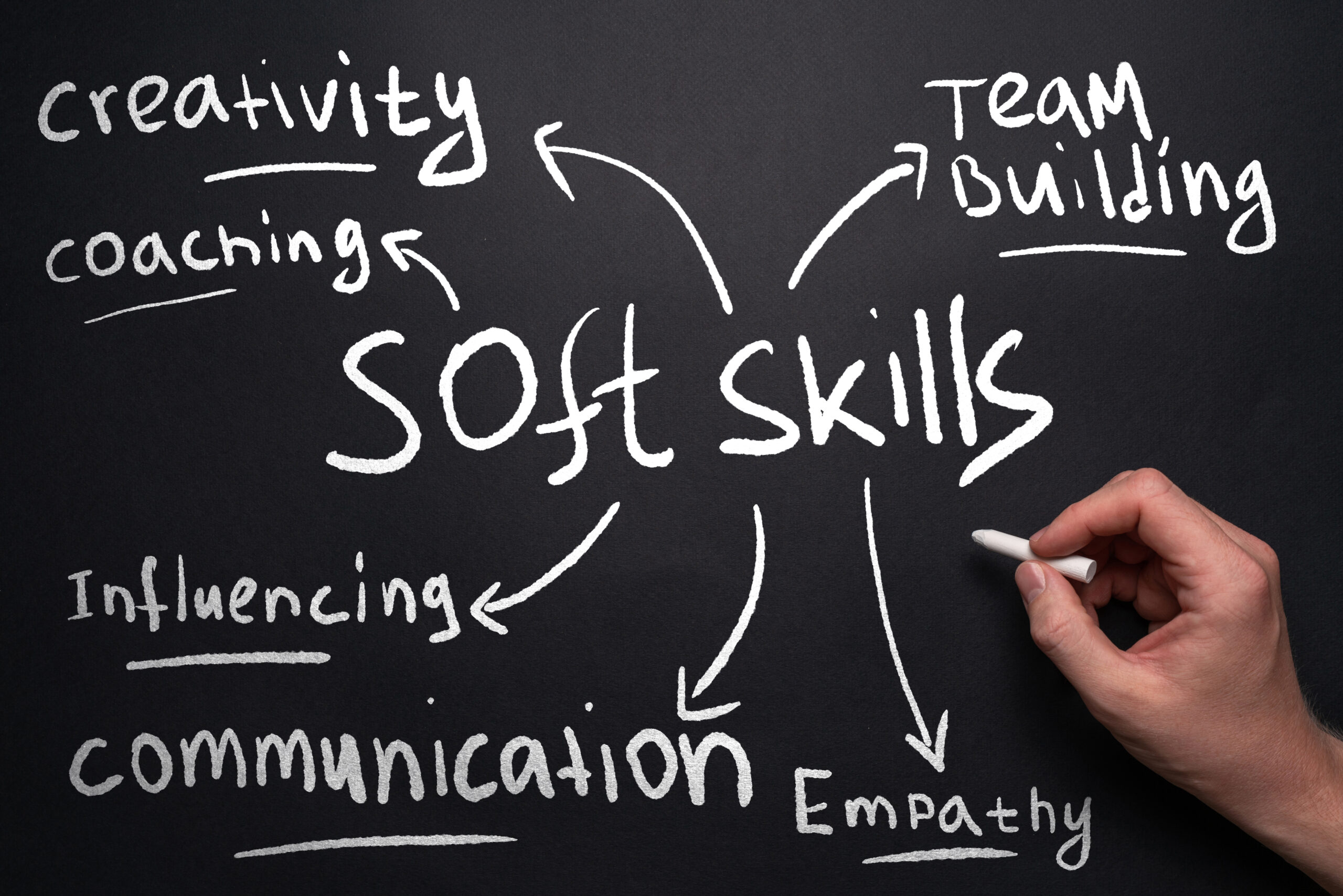
In a world reshaped by the COVID-19 pandemic, our professional landscape has undergone a dramatic transformation. Remote work, digital technologies, and increased diversity have become the new norm for businesses. However, as we adapt to these changes, it’s crucial to recognize that success in the post-pandemic workplace demands more than just technical expertise. Soft skills have emerged as one of the essential for success in the post-pandemic workplace, with attributes like communication, teamwork, and adaptability taking centre stage.
So, What Exactly Are Soft Skills?
While hard skills demonstrate your technical expertise, soft skills reveal your ability to collaborate effectively with colleagues and contribute to an organization’s growth. These skills enable you to forge meaningful relationships and tackle challenges, making a positive impact in any professional setting.
Types of Soft Skills
Time Management: Efficiently managing your time is essential in meeting deadlines and maintaining productivity.
Communication: Effective communication fosters understanding and collaboration among team members.
Teamwork:the ability to work harmoniously within a group is invaluable for achieving collective goals.
Adaptability and Resilience: Being open to change and bouncing back from setbacks are vital attributes in today’s fast-paced world.
Problem-solving and Creativity: The capacity to solve complex issues and think creatively adds value to any organization.
Self-Motivation and Self-Direction: Initiative and the ability to work independently showcase your drive and dedication.
Empathy and Emotional Intelligence: Understanding and connecting with the emotions of others promote positive relationships and effective leadership.
Integrity and Ethical Responsibility: Upholding ethical standards and being trustworthy are fundamental in gaining trust and credibility.

Now, Why are Soft Skills so Vital in Today’s Workplace?
Let’s delve into the numerous reasons.
Career Longevity: Soft skills enable you to adapt to evolving job roles and industry trends.
Measuring Teamwork: They enable employers to gauge your ability to collaborate effectively within a team.
Maintaining Relationships: Soft skills help you nurture professional relationships, which can open doors to new opportunities.
Growing Your Network: Effective communication and interpersonal skills expand your professional network.
Staying Organized: Time management keeps you on top of tasks and ensures you meet deadlines.
Taking Initiative: Demonstrating soft skills like self-motivation showcases your proactive nature.
Developing Leadership Skills: Soft skills form the foundation of strong leadership qualities.
Boosting Confidence: As you hone your soft skills, your confidence in handling various situations grows.
Transferrable: These skills can be applied across different roles and industries.
Essential for Remote Work: In a remote work environment, soft skills are even more critical for effective communication and collaboration.
Not Easily Automated: Unlike technical skills, soft skills are challenging to automate, making you indispensable in the workplace.

How to Showcase Your Soft Skills in Your Resume
It’s great that you possess the fundamental soft skills, but when it comes to job applications, it’s not only about possessing these skills; it’s equally important to demonstrate them effectively on your resume. Here are some tips to help you display them in your resume.
Tailor Soft Skills to the Job: Align your soft skills with the specific requirements of the job you’re applying.
Back-Up Soft Skills with Other Sections: Highlight your soft skills in the skills section and substantiate them by showcasing relevant achievements and responsibilities in your work experiences.
Use Transferable Skills When Switching Careers: If you’re transitioning to a new field, leverage transferable skills that can be applied in your new role. For instance, communication, interpersonal, and problem-solving skills acquired in your previous job can be valuable assets in a different industry.
Quantify and Provide Evidence: Whenever possible, quantify your soft skills’ impact. Use concrete examples and results to demonstrate how your skills have benefited your previous employers.

How to Showcase Your Soft Skills in Your Interview
Putting your soft skills on paper is just the beginning; you’ve got to let them shine during your interview. As you prepare for your interview, keep them in mind. They’re not just words on paper; they’re the essence of who you are as a professional. Here are some areas you can focus on during the interview.
Enthusiasm and Tenacity: Before the interview, take the time to research the company thoroughly. Understand its values, culture, and recent achievements. During the interview, let your enthusiasm for the role and your tenacity to join this specific organization shine through. Employers love candidates who bring boundless enthusiasm to the table and are committed to contributing to the success of their organization.
Teamwork: Highlight your ability to collaborate effectively with others. Share stories of successful team projects where your contributions were invaluable.
Communication : During the interview, practice active listening and articulate your thoughts clearly. Engage in a genuine conversation with your interviewer, demonstrating your strong communication skills.
Problem-solving and Creativity: Showcase your problem-solving prowess by discussing situations where you identified a challenge and devised a creative solution. Your ability to think outside the box is a valuable asset that can set you apart.
The world of work continues to evolve, soft skills are the glue that holds teams together, fosters innovation, and drives personal and professional growth. In a future where automation looms large, your ability to adapt, communicate, and collaborate will be your greatest assets. So, invest in nurturing these skills – they are your passport to success in the modern business landscape.